

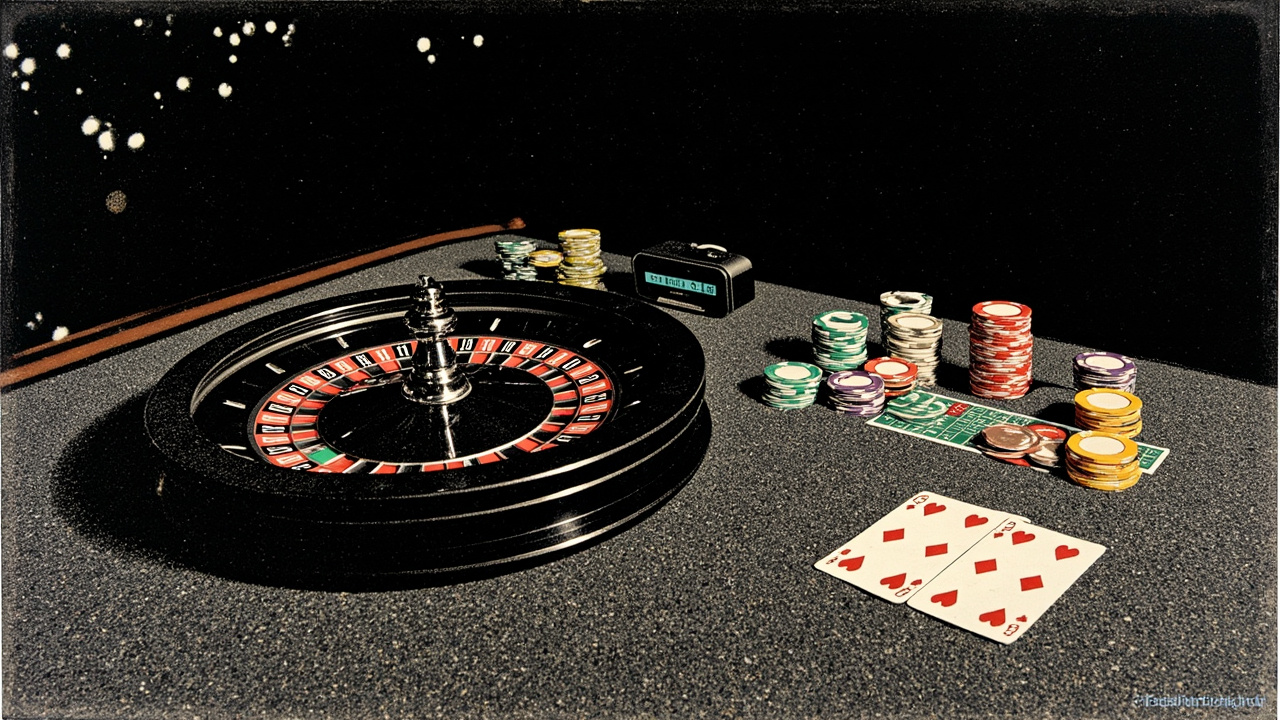
If you’ve been following poker news Australia regulation, the headline is usually the least useful part. The real story sits in how a room actually pays out, schedules its tournaments, and keeps regulars coming back after the welcome bonus is gone. I’ve spent fifteen years checking the maths behind game loops and payout structures, and honestly, a poker product runs a lot like a jazz standard: the changes matter more than the opening riff. Brisbane players who want steady action instead of a one-off bump need to look past the marketing and into the recurring mechanics.
When I’m evaluating a card room, I’m listening for the same thing I listen for in a rhythm section: does the house keep time, or does it rush the changes? A site can slap a welcome package on the table and still leave you playing a dead tempo if the cashback is thin, the VIP ladder stalls, or the tournament calendar only fills up on weekends. The regulation conversation in Australia is mostly about keeping operators honest on licensing, segregation of funds, and responsible play, not about handing out a free pass to play offshore. That distinction matters, because a licence on paper doesn’t automatically mean the repeat-play experience is worth your arvo.
The real groove shows up in the small print, where a thin rebate or a stalled loyalty tier can drag the whole session flat. When you want to test that pulse without risking your own stack, you can spin a few pokies 89 on https://pok1esnet-australia.com/ and hear how the floor actually treats its regulars. A room that keeps the beat will let you find your footing before the first ante even hits the felt.
I was sitting in a café on Brunswick Street, flat whites cooling on the table, when my mate Dave leaned in. “So what’s actually worth chasing after the sign-up bonus?” he asked. I told him to look for rooms that treat loyalty like a living set list, not a one-night gig. He nodded and said he’d had enough of rooms where the promos dried up the moment you’d played through the bonus. That’s the exact friction point most Brisbane regulars hit, and it’s why the ongoing value piece deserves more airtime than the welcome offer ever will.
If you’re weighing whether a site fits your play style, map it to how you actually sit down at the felt. Some players want low-stakes cash games that run late and pay out consistently; others want tournament circuits with daily rebuys and a loyalty tier that actually recognises volume. The right fit depends on whether you’re grinding for rake-back, hunting a steady tournament grind, or just wanting a room that keeps its promos honest after the first week. Here’s how that breaks down in practice:
- Cash-game regulars should check rakeback frequency, table liquidity at night, and whether the VIP points convert into real cashback or just cosmetic badges.
- Tournament hunters need a calendar that runs beyond Saturday nights, with clear rebuy windows and a freeroll schedule that doesn’t vanish after the first month.
- Social players who dip in for a session or two a week should look for modest cashback, straightforward withdrawal paths, and a mobile layout that doesn’t make a simple bet placement feel like a chord change nobody warned you about.
That last point matters more than people admit. A mobile app that stutters on a simple raise is like a drummer dropping a beat mid-bridge: you can recover, but it breaks the flow. The best rooms I’ve run across keep the same game pool, bonus rules, and loyalty structure whether you’re on a laptop or a phone, and they don’t quietly shift the wagering requirements depending on how you logged in. Consistency is the whole game.
Poker News Australia Regulation in Practice
When you read through poker news Australia regulation, the practical bit isn’t the legal wording; it’s what the rules force an operator to show you before you deposit. A properly licensed room should make its licence details easy to find, keep player funds separate from operating accounts, and spell out its responsible gaming tools without making you dig through three menus. I’ve sat in product meetings where the team argued over whether a feature was “engaging” or “friction”, and the honest answer is that good friction is a safety net, not a roadblock. The rooms worth your time treat verification, deposit limits, and session reminders as part of the rhythm, not as a bureaucratic solo that kills the set.
For Brisbane players, the local angle is less about geography and more about timing. A room that runs late-night cash games and weekday micro-tournaments fits the way most people actually play after work, rather than assuming everyone is free on a Sunday afternoon. The regulation side keeps the operators honest on things like payout timelines and advertised terms, but it doesn’t turn an offshore room into a domestically licensed casino. That’s a line worth keeping clear: you’re still choosing an operator, not stepping into a local licenced floor.
I’ve seen rooms market themselves on a big welcome number and then quietly cap the weekly cashback or push you into higher-stakes tables to hit a loyalty threshold. That’s the kind of thing the maths catches quickly. If the return curve flattens the moment you stop chasing the bonus, the product is built for acquisition, not retention. A room that wants regulars will keep its promos visible, its tournament schedule predictable, and its support line actually staffed when you need a hand with a withdrawal or a bonus query.

What to Look for After the Welcome Offer
The welcome offer gets the headlines, but the recurring promos are what decide whether you keep your account open past the first month. A solid room keeps cashback visible, runs a loyalty or VIP tier that rewards volume rather than just deposit size, and schedules tournaments often enough that you’re not waiting for the weekend to find action. I’ve always judged a product by how it behaves after the first rush, the same way I judge a band by the second and third songs, not the opener. If the house keeps paying attention to regulars, the room stays alive.
Payment paths matter here too. You want a room that handles AUD cleanly, shows withdrawal timelines upfront, and doesn’t make you jump through surprise verification rounds every time you try to move money out. Registration should be straightforward, mobile play should match the desktop experience, and support should be reachable when you actually need it, not just when the marketing team wants a testimonial. These aren’t glamourous features, but they’re the ones that keep a room from feeling like a one-off gig.
When I’m comparing rooms, I look for a few concrete things that tell me whether the operator is building for repeat play or just chasing sign-ups:
- Recurring cashback or rakeback that shows up on a regular schedule, not just as a one-time bonus feature.
- A loyalty or VIP ladder with clear thresholds and rewards that actually convert into cash, tournament entries, or meaningful perks.
- A tournament calendar with daily or weekday options, so the room doesn’t go quiet the moment the weekend finishes.
- Transparent payment details in AUD, with withdrawal windows and any bonus terms laid out before you deposit.
- Mobile and desktop parity, so the same games, bonus rules, and support access carry across whatever device you use.
That list isn’t a checklist for a perfect room, because no room is perfect. It’s a way to tell whether the product is built to keep you at the table or just to collect your first deposit and move on. The rooms that respect your time usually respect your money too.
Player-Fit Scenarios for Brisbane Regulars
Not every room suits every player, and the right choice usually comes down to how you actually play rather than what the homepage promises. A Brisbane regular who works standard hours might want a room with steady evening cash games, a couple of weekday tournaments, and a cashback structure that softens the downswings without turning the whole experience into a spreadsheet. Someone chasing tournament action might care more about rebuy windows, daily events, and a loyalty tier that recognises grinds rather than big one-off deposits. The fit changes depending on whether you’re there for a focused session or a long night at the felt.
I’ve always thought of player fit like choosing a tune for the band: the changes have to match the players in the room. A room that pushes high-stakes tables and big-buy-in events onto everyone is like forcing a fast bebop chart on a group that’s playing for a relaxed crowd. It might look exciting on paper, but it won’t hold the room. The better operators segment their offerings honestly, so casual players aren’t dragged into a pace that doesn’t suit them and regulars aren’t left waiting for action that actually fits their schedule. Petitpalacebristolhotel
That’s where the regulation conversation quietly helps. When operators are held to clearer standards on terms, payout timing, and responsible play, the rooms that survive are usually the ones that keep their promises to regulars, not just the ones with the loudest welcome offer. It’s not a guarantee of a good session, and it’s never a reason to treat any room as risk-free, but it does raise the floor for what counts as a decent repeat-play experience.
A few practical signals tell you whether a room is built for your kind of play. If the cash games run late and the table liquidity stays steady, you’re probably looking at a room that understands evening grinders. If the tournament calendar keeps moving through the week and the freeroll schedule doesn’t vanish after the first month, the room is likely thinking about tournament regulars. If the loyalty points convert into real cashback or tournament entries rather than flashing badges, the operator is probably building for retention. Those are the signs I trust, because they show up in the maths long before they show up in the marketing.
Brisbane players also tend to care about timing more than they admit. A room that only wakes up for weekend events is going to lose a lot of weekday regulars, while one that keeps a modest but reliable schedule through the week will keep people coming back after work. That’s not glamorous, but it’s the kind of thing that separates a room you visit once from a room you actually keep in your bookmarks.
Poker News Australia Regulation and the Long Game
If you’re reading poker news Australia regulation and trying to work out where to put your time, the honest answer is to ignore the noise and watch what the room does after the welcome offer settles. The rooms that keep regulars are the ones with steady cashback, a loyalty ladder that actually pays off, a tournament calendar that runs through the week, and payment terms that don’t hide behind fine print. Regulation keeps the operators honest on the basics, but it’s the recurring value that decides whether you stay at the felt or move on to the next room.
I’ve spent enough time around both the maths and the music to know that a good product holds its time. It doesn’t rush the changes, it doesn’t overpromise on the first chorus, and it doesn’t leave the audience hanging when the set gets long. That’s the standard worth applying here: look for a room that treats your play as something ongoing, not as a one-off deposit to be chased and forgotten. If the room keeps its promises, pays out on a sensible schedule, and keeps the action alive after the bonus is gone, you’ve probably found a fit worth sticking with.